

- Introduction
- To know your local environment is to show it love
- Where to find connection
- Disclaimer on foraging
- To use in your craft
- Conclusion
Introduction
When I started my craft, I wanted all the herbs and plants I heard about online. I realized quickly this was expensive. Due to shipping costs or just outright slim availability based on those shipping costs, it didn’t make sense to use those plants, even though they seemingly were the ‘witchiest’ sounding ones. Just because it sounded cool and exotic didn’t mean I had to use it in my craft. Those things were put aside in my mind, and I realized something. Why not use things locally sold? Hey, wouldn’t it be cheaper? Heck, why not use things that are locally grown? What of the plants near me outside my door? What even is that tree I’ve seen a million times outside my window? Once I discovered it was a type of maple tree… Oh, my! Maple trees and maple wood have magical properties! Using that tree, which I’ve seen a thousand times, never came to mind until I realized how magical even local nature is. Just because I might’ve been so used to it and almost blind to it didn’t mean it was useless or couldn’t be considered magical.

To know your local environment is to show it love
I don’t know about you, but I believe there is great power in the items you can find in your local environment.
- Growing or finding native plants for your craft, using the farmer’s markets nearby to get vegetables and fruits grown locally to use in your craft, whether with kitchen or green witchery.
- Or going to local farms and doing a U-Pick, where you pick your own fruits or vegetables to buy and take home.
- Going in your backyard or local patches of nature to look for things that catch your eye, like a pinecone, acorn, or even leaves from a nearby tree, can all be used in your craft.
- Whether it’s to decorate an altar or shrine or to use in magical spells, it’ll have energy from the local landscape, giving it more power since it’s where you currently are.
- Going on walks (even if you’re in the city!) to see what else grows in your area, using Google Lens or other phone apps to look up what the plant might be, or taking a picture, in general, to then look at later and compare to sources of locally growing plants in books or online.
Try to search more about what’s available at city events, farmer’s markets, and possible gardens near you; you may be surprised at what is offered. Upon randomly looking up nearby events last May, I found a Garden Expo was happening soon at a community college. Of course, I went, and that’s when I got plants that grew well this year and are still blooming as of August! The abundance and community were astounding, and I discovered its existence by looking it up by chance. Even a mustard seed of curiosity will help you in your craft, given you use it to your advantage!
What grows in your area?
There’s beauty in caring about what grows natively and locally in the environment around oneself, too. Natively growing plants are better suited to an area, and the relationship between that plant and the ecosystem is much more in sync and readily productive than if it were a nonnative plant.
I recommend searching these terms to get started on finding native plants to your area:
- “plants from *your town/general area name here*”
- or even “native plants to *your town/general area name here*”
There’ll probably be some sort of local government/general website that gives helpful information, and if not, search in broader terms, such as by country, and then more closely to where you might be located within that country in terms of cardinal directions. Local bookstores or the local section in a major chain bookstore can have sources on local wildlife, plants, and even growing tips for your area. I live in the Pacific Northwest of the USA, so there are books I’ve bought about the Pacific Northwest that help to know what grows in this area and even include tips on soil health, typical planting dates, and other general tips.
And other than Google Lens to help identify plants on your journey outside, here’s an article on other free and some paid apps that can help identify plants near you: https://florgeous.com/best-plant-identification-apps/
Once you’re confident in your knowledge (I recommend using multiple sources and methods to find out about your local plants! Please take your time, and it’s okay to seek outside guidance when it comes to identifying plants), you can then use the environment around you (so long it’s harmlessly) in your craft with what you find going out. I always advocate leaving no trace when finding things for your craft; you may go out to search and forage, but never leave trash in your wake!
Taking from local nature
One thing to note is that if you are to take something from the environment yourself and can’t get it from a local vendor, I recommend only the amounts you need in the most effective way possible. So, if you’d like wood or leaves/buds from growing trees or plants, only take the dead sticks and plant matter that has already fallen to the ground. This is the best option available.
If you require a small bud or what you want isn’t available, please ask the tree/plant for permission before taking what isn’t yours. Notice if there are any boundaries you shouldn’t cross. It is another living creature, just like you, after all. Put yourself near the plant, touch it, or just sit near it briefly. Meditate, ground, and listen to what follows once you ask for permission. The plant may give an obvious answer, or it might be a gut feeling only. Either way, pay attention. It could be how the wind rustles in the leaves and the emotions you might feel. Some plants may give only a response of not caring, but nevertheless, listen, really, really listen. Practice giving to get in return, such as watering the plant and leaving a hearty and meaningful thanks; water is perfect for giving if it’s a hot sunny day, too.
Where to find connection
You may wish to find these magickal plants in nature, but I recommend first connecting with your local landscape to show that you mean no harm and only want to be harmonious with it. But how and where do you go to connect with your local nature? You must search for these answers using the Internet, sometimes. Some keywords to search with are:
- “parks near me,”;
- “farmer’s market near me,”;
- “local plant nurseries near me,” as well as
- “gardens near me.”
- “beautiful nature near me”
- “best places in nature near me”
Search the world’s most excellent resource, the internet, and I’m sure there are hidden gems in your town that you may not know yet! I implore you to find a place you’ve yet to visit in terms of nature and to visit it soon before you forget. There’s always something new to find where you are.
Search your nearest surroundings, too, maybe without the internet. There may be a secret cove, a hidden stream, or a lovely rock pile you can find; there could be so many things waiting to be found just in clusters around your hometown. I implore you to get outside when you can, walk (safely) to wherever nature is, and sit with her. The nature you find doesn’t have to be grand to be magical, either. It doesn’t matter if it’s only a tiny patch of grass or if it’s a tree or bushes you’ve seen before but not spent time with; I want you to spend time with it and try to connect this time.
How to connect
If you plan to use items from your findings, maybe connect with the spirits of the landscape before you leave. This way, it can become a reciprocal relationship that, maybe, you’ll find will give you much more bounty than you’ll know what to do with. If you genuinely befriend the nearby spirits or energies of the land, you’ll find more opportunities in your craft.
Ideas for connecting to nature near you are:
- To use the local park to do a grounding exercise or just sit idly in the shade of a nearby tree.
- Even sitting in total bliss of the sky would be perfect to truly get to know the earth’s element! (Practice good sun-protection habits, always!)
- Exercising in the scene around you, such as jogging, walking, yoga, or anything else.
- Even go dancing in nature!
- Maybe you can go hiking along nature’s path (or even the sidewalk with the strips of grass), taking a route you’ve less traveled (be safe!)
- Nature bathing/forest bathing (not actual bathing, but spiritual bathing among the plants and scenes of nature!)
And yes, a small patch of grass can count as a place of nature 😉 What is available to us is not always what we wish, but we do as we can with what we have.
Find your nearby scene and connect with it. You must notice it. Give it your attention, your heart and mind and ears. Once you stop and listen, you’ll find that nature has much more to speak about than we give it credit. Sense the energies of the landscape, and focus on how it feels in your body to sense such things. Listen to the wind, the birds, the creatures crawling and buzzing, everything, everywhere, all around you. Notice the beauty; notice your surroundings more in-depth than before. What are the colors here? The sounds? The smells? The touch to your skin? Emotions may arise. It can be overwhelming, and that can be normal. You’ll find nature loves and wants to be loved like humans do.
My example

I love to go outside if I can and just observe the trees and how the wind blows through their leaves; the sound of the rustling is something I adore. The greens in the trees are always more profound and varied than I initially realized. Or hear the birds in the morning dawn, their wake-up calls, and community choir. I try to name what birds they are and find out more about them. I have a lot of crows in my area, so I mostly hear the caw–caw of an American Crow in the morning. And some days, I don’t go outside but stare at the world through the window while drinking a magical cup of coffee, grounding in the moment and trying to notice every detail of nature outside my front window.
When I have the energy, I walk alongside the streets and admire the sky above me, trying to notice the plants that grow alongside my journey. I don’t walk far, but I notice what I pass and almost say “hello” along the way in my heart. If I see a bundle of birds crowding in a bush, I love to stop and admire them while they let me. If they fly away at my presence, I follow their movements with my gaze, finding where they might disappear if I can. Everything about nature in any spot on this planet can be seen with a loving gaze and loved wholly, don’t you think? From the daintiest dandelion to the sharpest blade of grass, they all deserve to be noticed. After being in nature, I always have an uplifted mood, too.
Another example, but of using local ingredients in my craft
Speaking of the maple tree I mentioned in the introduction of this post, when I found out it was a Norway Maple tree, something that I could use in my craft because, “Hey! There’s resources on this!” I immediately felt relief. I looked outside my window at some point at that towering maple, convinced I could find a twig or small branch to use for a wand in my craft. I don’t have a wand yet, and I wanted to fashion one myself from locally found items.
When I got outside, I went with the intentions deeply focused on my mind, almost speaking to the universe what I wished to find that day. I searched slowly, deliberately, and soon found what sparkled to my eye. I took a fallen twig, broken into a small length from being underfoot, and felt immense gratitude for the tree. I thanked the tree, placing a palm on the bark that was so rough yet so gentle. I then took this branch and took it into my craft, not forgetting where it came from. Nowadays, I still have yet to fashion my wand (ingredient finding can be a slow process!), but I am still one step closer than before, and that is good enough to me.
Disclaimer on foraging
I do not recommend mushroom foraging or foraging certain plants that can look like poisonous plants (like hemlock look-alikes like Queen Anne’s Lace) unless you’re highly confident and have learned their exact differences. It is better to be safe and not forage for mushrooms and those plants on your own than to be sorry and hurt yourself somehow. When finding ingredients in the wild, use gloves or tissue if you need to, and always bring hand sanitizer and wash your hands thoroughly without touching your face when you’re back home. Take it slow, and as always, be careful.
To use in your craft
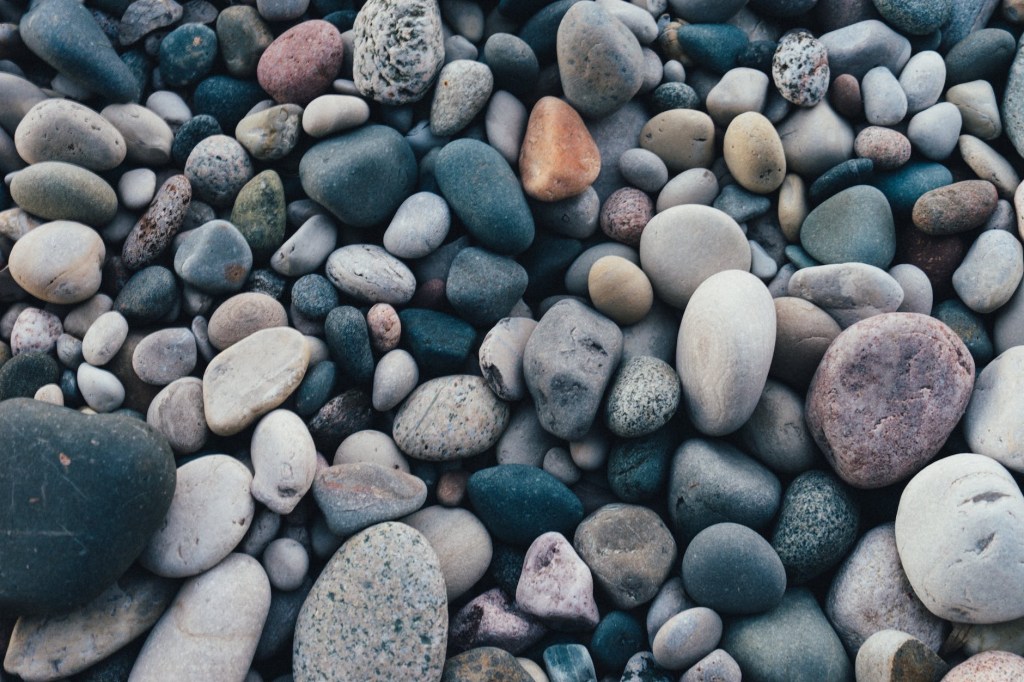
Finding and connecting to where you are will always benefit you and your craft in a way you must see and believe. The memories, nature, and sunlight will benefit your mind, body, and soul. And finding things along these paths you take in nature can be helpful to you. An abandoned feather can be taken and given a home to an altar of Air. Once classified by its name, a fallen twig can be helpful by using its tree’s properties. Even if it’s a small pebble you find cool-looking, you can use it in your craft, too. You can make a mighty charm or spell by imbuing your energy into all these items you may find.
Yet taking care of your local environment is vital; if we all took care of our environments where we are, we could help the earth in an easy way that uses the energy we have in a way we can. We all can do our part, even if it’s seemingly small. Small acts add together. Suppose that means randomly picking up litter you see and throwing it away. Or even doing native-plant landscaping in a space you have access to, and even supporting your local nature landscape by visiting and giving it your loving presence can be enough. Do what you’re able to do, and that is enough. ❤ Your local environment will thank you.
Conclusion
Go forth and embrace your local nature, and find many gifts in her bounty that wait for you. Where you live, what do you notice about the nature you have there? What plants are your favorite that grow natively near you? Notice nature where it is, where you are, and where you walk; all her gifts will become abundantly clear.
Bibliography & Further Reading
Why native plants are important: https://www.audubon.org/content/why-native-plants-matter
USA based information on native plants: https://www.nwf.org/NativePlantFinder/
History, meaning, benefits and how to forest bathe: https://healingforest.org/2020/01/27/forest-bathing-guide/
Why to forest bathe: https://www.psychologytoday.com/us/blog/i-hear-you/202206/feeling-sick-tired-or-tense-try-forest-bathing
Science of forest bathing: https://www.psychologytoday.com/us/basics/forest-bathing


 Dreamy Witch in a Cottage